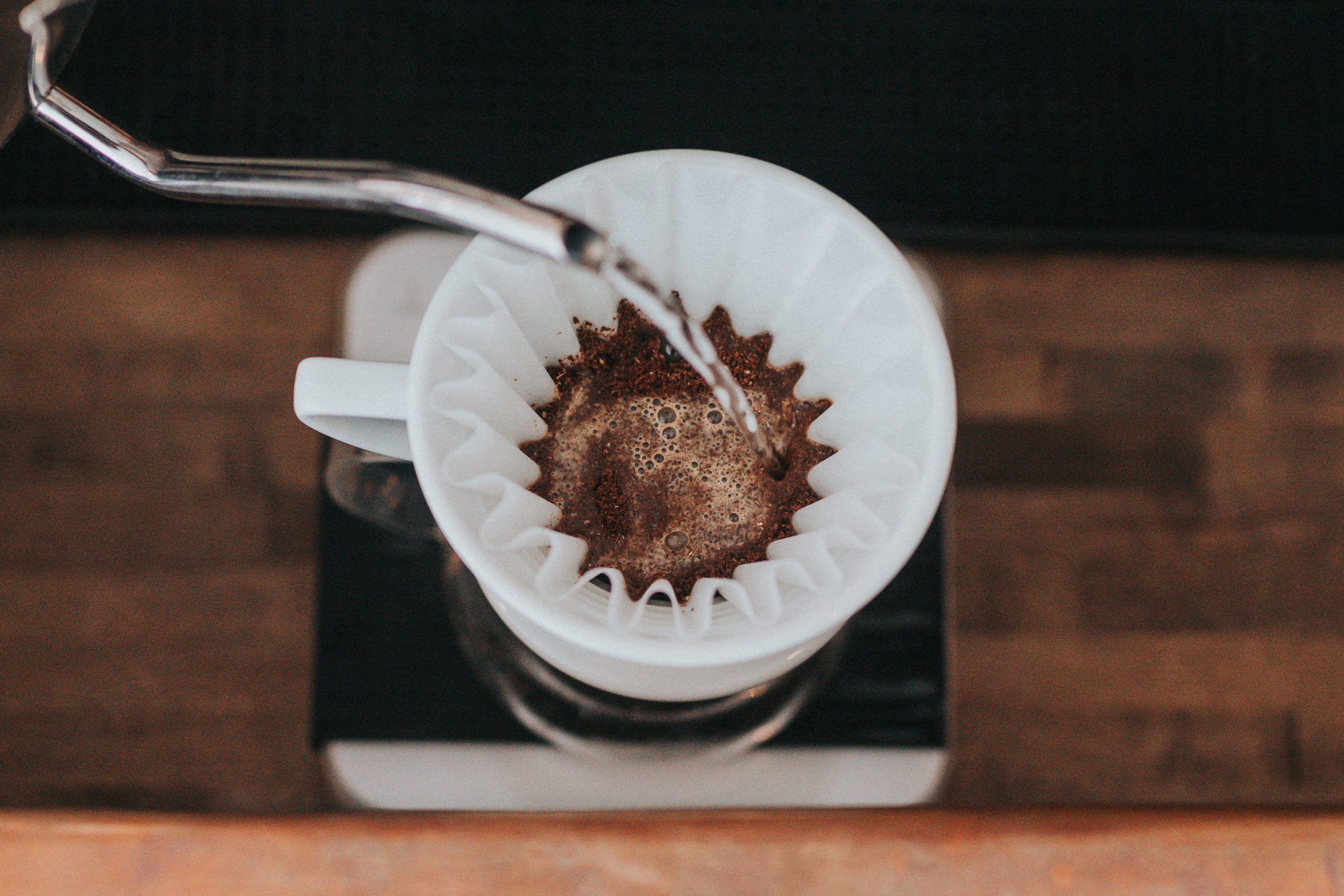
This article caught your attention because the odds suggest you’re a coffee lover. If you love coffee so much, you probably drink at least 1 cup of coffee per day. It could be an obsession or it could be just a part of your daily routine. However, have you ever asked yourself, “How much caffeine is in a cup of coffee?”
It is always great to know how to differentiate caffeine levels from one another. With that in mind, let’s talk about how much caffeine there is in a cup of coffee.
Factors That Affect Caffeine Content
There are several factors that affect the amount of caffeine in a cup of coffee, such as:
- Coffee Beans – There are a variety of coffee beans available in the market. Each variety naturally contain different amounts of caffeine in it.
- Serving Size – A cup of coffee is usually 30 to 70 ml. The bigger the serving size is, the more caffeine there is.
- Roasting – Lighter roasts naturally contain more caffeine than darker roasts.
- Type of Coffee – The amount of caffeine content also depends on the type of coffee.
Espresso
Espresso is considered the “coffee bomb” of coffee lovers. This type of coffee gained its popularity in the southern European countries.
Espresso is made by spraying a small amount of hot water or steam through ground coffee beans. When measured per volume, espresso is more packed with caffeine than regular coffee. However, when measured per cup of coffee, it usually contains way less since espresso is served in small amounts.
A shot of espresso is usually 30ml to 50ml, and contains about 63mg of caffeine. Therefore, a double shot espresso contains roughly about 125mg of caffeine.
In most cases, people go with a single shot of espresso. Those who need an extra boost for the day can opt for a double shot espresso. However, be warned that this could make you feel uncomfortable if you’re not used to it.

We provide tutorials and reviews on everything caffeinated.
Espresso-Based Drinks (Latte, Cappuccino, etc.)
A good number of people enjoy a cup of coffee made from espresso shot/s mixed with different types of milk. Cappuccino, latte, americano, and macchiato are just some of these espresso-based drinks.
Espresso-based drinks are often creamy, delightful, and inviting. Since milk does not have caffeine, espresso-based drinks contain the same amount of caffeine as pure espresso. It’s technically pure espresso with the added flavor of milk.

Instant Coffee
Instant coffee is technically brewed coffee that has been spray-dried or freeze-dried. This type of coffee generally comes in large, dry pieces that are packed in sachets or in bottles.
To make a cup of instant coffee, simply dissolve it in water. Ideally, one to two teaspoons of instant coffee is enough. However, this still depends on your personal taste.
In terms of the amount of caffeine in instant coffee, it typically contains less than regular, brewed coffee. A cup usually contains 30 mg to 90 mg.

Brewed Coffee
If you are into coffee, brewed coffee is probably the first type of coffee you heard of. Brewed coffee is the most common type of coffee in the US and Europe.
To make brewed coffee, pour hot or boiling water over ground coffee beans. In most cases, the ground coffee beans sit on top of a filter. Using a filter is a great way to avoid bits and pieces of coffee to mix with your coffee.
An 8 oz cup of brewed coffee usually contains about 70 mg to 140 mg of caffeine. On average, that is about 95 mg of caffeine.

Decaffeinated Coffee
As the name might suggest, decaffeinated coffee is not entirely caffeine free. In fact, decaffeinated coffee contains 0 mg to 7 mg of caffeine per serving cup. The average cup contains about 3 mg of caffeine.
Some people enjoy coffee but would like to limit their caffeine intake. Decaffeinated coffee is a great alternative to other types of coffee as it contains way less caffeine content.

These are the 3 main types of decaffeinated coffee.
Decaffeinated Brewed Coffee
A decaffeinated brewed coffee only 2 mg to 12 mg of caffeine per 237 ml serving. On the other hand, brewed coffee contains about 70 mg to 140 mg of caffeine.
Decaffeinated Espresso
A serving of decaffeinated espresso only contains 0 mg to 15 mg of caffeine. On the other hand, a regular serving of espresso contains about 63 mg of caffeine.
Decaffeinated Instant Coffee
A decaffeinated instant coffee contains 2 mg of caffeine per serving. On the other hand, instant coffee contains about 30 mg to 90 mg of caffeine.
Wrap Up
Now that you know about the different types of coffee, you have a better understanding on caffeine in coffee. With that said, you can easily choose which type of coffee to drink.
Whether you’re into concentrated caffeine levels or would simply like to dose it neatly through the day, there are plenty of options to choose from. At the end of the day, it all goes down to personal choice.
Will you be changing your coffee habits now that you are aware of the amount of caffeine every cup of coffee? Let us know in the comments section below!
Related Articles

brewcaffeine
We provide tutorials and reviews on everything caffeinated.